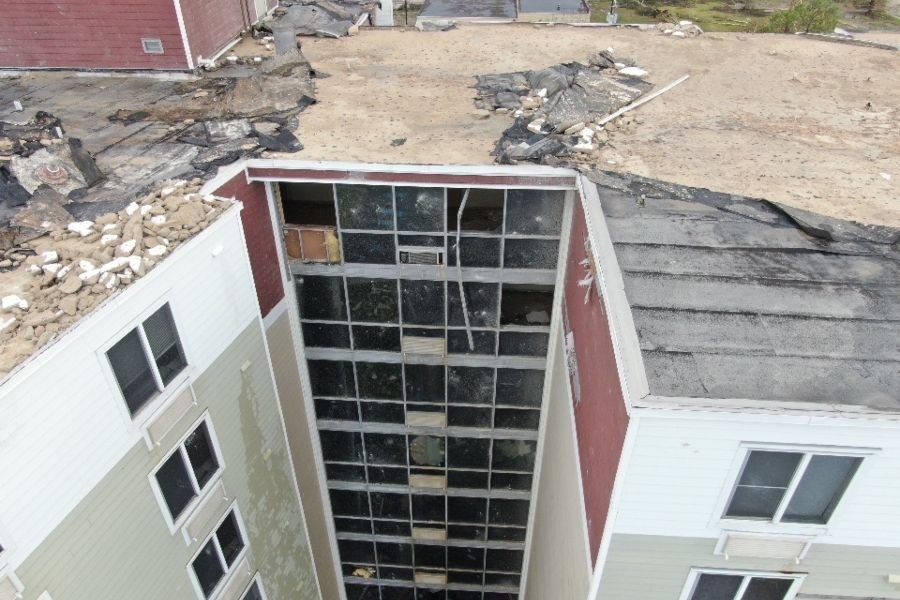
A powerful storm can turn an ordinary day upside down. One moment, the house is warm and dry, the gutters are carrying rain away, and everything seems fine. A few hours later, there may be broken shingles in the yard, water stains on the ceiling, damaged siding, or a fallen tree resting against the roof. Even when the damage looks manageable, the uncertainty can be stressful. Where should you begin, what needs immediate attention, and how can you avoid spending money on repairs that aren’t necessary?
The most useful approach is to take things one step at a time. Safety comes first, followed by a careful assessment of the property and a practical plan for repairs. Acting promptly matters, but making rushed decisions can create problems of its own.
Start With Safety, Not Repairs
Before inspecting the outside of a building, make sure the immediate area is safe. Downed power lines, unstable trees, loose roofing materials, and damaged walls can all pose serious hazards. Stay away from standing water near electrical equipment, and never climb onto a roof that may be weakened or slippery. If you notice a sagging ceiling, major structural movement, or signs that part of the building could collapse, leave the affected area and contact the appropriate emergency professionals.
Once conditions are safe, look around the property from the ground. Missing shingles, broken windows, dented gutters, damaged fences, and scattered debris can provide useful clues. Check inside the building too, particularly around ceilings, attic spaces that can be accessed safely, and exterior walls. A new damp patch or musty smell may indicate water has entered somewhere out of sight.
Take photographs before moving debris or beginning cleanup, provided you can do so safely. These records can help contractors understand the situation and may be useful when discussing an insurance claim.
Every Property Has Different Needs
Storms don’t affect every building in the same way. A residential property may have damage concentrated around its roof, windows, garage, or backyard. A fallen branch might break a few shingles, while wind-driven rain could seep into an attic and damage insulation. Even a relatively small opening can allow water to spread across a larger area if it remains unaddressed.
Business properties often present a different set of concerns. A commercial building may have a large flat roof, specialized equipment, storage areas, customer spaces, or multiple entry points. Water entering a shop, office, warehouse, or restaurant can affect inventory, electrical systems, documents, and daily operations. In these situations, securing the building and identifying hazards quickly can be just as important as planning the permanent repairs.
The right response depends on the building’s design, the type of damage, and whether people can safely continue using the space. A small residential leak may be manageable with a targeted repair, while a damaged commercial roof could require temporary access restrictions until it has been assessed.
Why a Thorough Inspection Makes a Difference
Some storm damage is obvious. A shattered window or a tree limb through a roof is hard to miss. Other problems are much less dramatic. Hail may weaken roofing materials without creating an immediate leak, and strong winds can loosen flashing or lift the edges of shingles. Water may travel along beams or behind walls before appearing indoors, making the original entry point difficult to identify.
A professional inspection helps connect these clues. Depending on the situation, a contractor may examine roofing materials, flashing, gutters, siding, window seals, attic areas, and visible structural components. If there are signs of deeper damage, additional specialists may be needed.
Ask the inspector to explain the findings in plain language. Photographs, written observations, and a clear list of recommended repairs make it easier to understand what needs attention now and what can reasonably wait. You should also be able to ask questions without feeling pressured into approving every suggested service.
Preventing Secondary Damage
After a storm, the first problem isn’t always the most expensive one. Water that continues entering through a damaged roof can affect insulation, drywall, flooring, furniture, and electrical components. Wet materials may also develop mold if they aren’t dried properly. That’s why temporary protection and prompt drying are often important, even while permanent repairs are being arranged.
Professional storm damage restoration can involve more than replacing broken roofing materials. Depending on the property, the work may include water removal, drying, cleaning, debris removal, repairs to damaged interiors, and measures to prevent further deterioration. The exact services required should follow the actual condition of the building rather than a standard package applied to every situation.
If water has entered the property, move undamaged belongings away from the affected area when it is safe to do so. Don’t operate electrical equipment that has been exposed to water, and avoid disturbing materials that may contain hazardous substances. A qualified restoration team can advise on appropriate drying methods and whether particular rooms should remain unused.
Understanding Estimates and Repair Priorities
Repair costs can vary considerably depending on the materials involved, how accessible the damaged areas are, and whether hidden problems are discovered. Before agreeing to major work, request a written estimate that explains the proposed scope, materials, labor, expected timeline, and payment terms.
It can be helpful to compare estimates, but the lowest price isn’t automatically the best value. Look at what’s included, whether the contractor has appropriate licensing and insurance for your area, and how clearly the company communicates. An estimate that leaves out disposal, cleanup, or necessary flashing work may look attractive at first and become more expensive later.
Ask which repairs are urgent and why. Securing an opening or stopping an active leak usually deserves attention before cosmetic improvements. Once immediate risks are addressed, you can plan less urgent work according to your budget and the condition of the remaining materials.
Be cautious of contractors who demand full payment upfront, offer vague paperwork, or pressure you to sign immediately. A reliable professional should give you enough information to make a considered decision.
Working Through the Insurance Process
If you believe the damage may be covered by your homeowners or commercial property insurance, contact your insurer and follow its claim instructions. Coverage depends on the policy, the cause of the damage, applicable exclusions, deductibles, and other terms. Don’t assume every repair will be reimbursed.
Keep photographs, inspection reports, estimates, receipts, and written communications organized in one place. Ask whether the insurer needs to inspect the property before permanent work begins. At the same time, take reasonable steps to prevent further damage and document any temporary measures you arrange. If you’re unsure whether a proposed repair affects your claim, ask the insurer before proceeding whenever practical.
Preparing for the Next Storm
Once repairs are complete, a little maintenance can reduce the likelihood of future trouble. Keep gutters clear, trim branches that hang over the roof, check visible flashing and seals, and address minor leaks before they spread. If your area regularly experiences severe weather, ask a qualified professional whether your roof, drainage system, and exterior materials are suitable for local conditions.
No one can prevent every storm or eliminate every risk. Still, preparation makes recovery easier.
The key is to respond with care rather than panic. Make the property safe, document what happened, get a thorough assessment, and choose repairs based on clear information. With a sensible plan and qualified help, the path from storm damage to a safe, usable building becomes much easier to manage.
