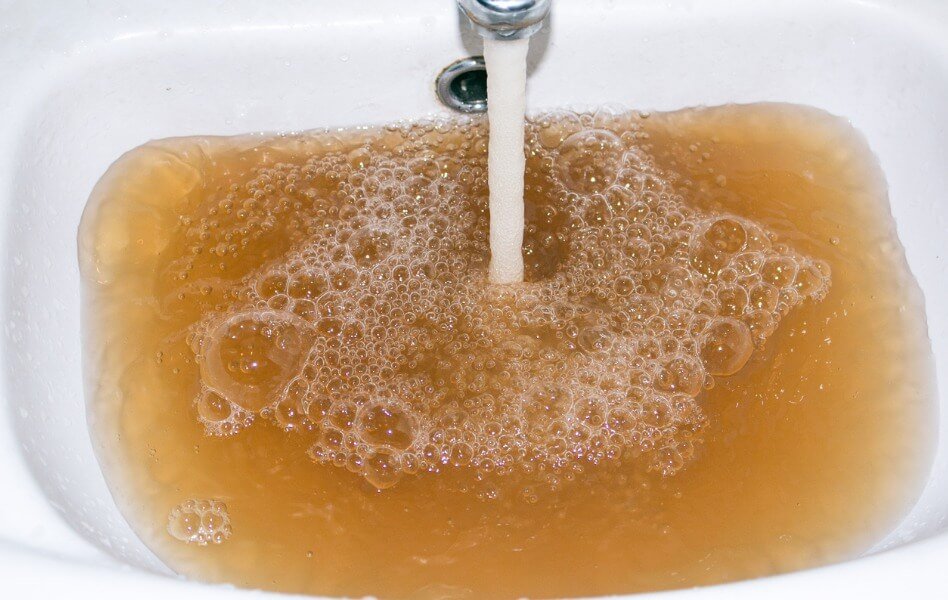
You usually don’t think about water until something feels off. Maybe soap suddenly seems harder to rinse away. There’s a faint metallic taste in your coffee. White marks keep appearing on the shower door, or a glass looks cloudy even after it has been washed.
Those little signs can be surprisingly useful. Water has characteristics that affect how it tastes, how it behaves around your plumbing, and how much maintenance your household equipment needs. Sometimes the problem is simple hardness. Other times, several water-quality factors are happening at once.
The good news is that you don’t have to become a water-treatment expert to figure it out. A little testing, some observation, and the right treatment approach can go a long way.
What Hard Water Actually Means
Hard water contains naturally occurring minerals, particularly calcium and magnesium. These minerals aren’t automatically a health concern, but they can be a nuisance around the house.
Scale can form on faucets, showerheads, kettles, dishwashers, and water heaters. Soap may lather less effectively, and freshly cleaned surfaces can develop spots quickly.
When hardness is reduced, many people notice that soft water feels different almost immediately. Soap rinses more easily, fixtures stay cleaner, and the familiar white buildup becomes less of a daily battle.
The important thing is to understand how hard your water actually is before choosing a treatment system. Not every home needs the same capacity.
Very Hard Water Can Bring Additional Challenges
Hardness is sometimes accompanied by other naturally occurring substances, and iron is a common example.
When a home has very hard water with iron, the problems can become more noticeable. You may see orange or reddish staining around toilets, sinks, and tubs. Water may also develop a metallic taste or unpleasant appearance.
Iron treatment can be different from ordinary water softening. The form of iron matters, as does its concentration. Some iron may be dissolved and invisible when water first comes from the tap, while other forms can produce visible particles.
That’s why testing matters. A system designed only for hardness may not be the best answer when significant iron is present.
Your Water Can Have More Than One Issue
It’s tempting to look for a single culprit. But water quality isn’t always that tidy.
A household may have hard water, chlorine taste, sediment, and another minor issue at the same time. In those situations, one treatment method may not address everything.
This is where a staged approach can make sense.
A sediment filter can capture larger particles. Carbon filtration may help with certain tastes and odors. A softener can address hardness. More specialized treatment may be appropriate when testing identifies a specific dissolved contaminant.
The goal isn’t to install as many filters as possible. It’s to give each treatment stage a clear purpose.
Chlorine Has a Role, But Taste Is Personal
Municipal water is often disinfected to control microorganisms before it reaches consumers. Chlorine is one of the commonly used disinfectants.
That doesn’t mean everyone enjoys the taste.
Some homeowners notice a swimming-pool-like smell when filling a glass or running a shower. Others barely detect it. Even when the water meets applicable standards, taste preferences can still lead people to seek filtration.
Carbon filtration is often used to reduce certain chlorine-related tastes and odors. The effectiveness depends on the filter material, design, flow rate, and maintenance.
And don’t forget that filters eventually need replacement. A neglected carbon cartridge isn’t going to perform as well as a fresh one.
Sediment Deserves More Attention Than It Gets
Particulate material can enter water for a variety of reasons. Private wells may produce sand or silt, while plumbing systems can sometimes contribute rust or other particles.
In a home experiencing both chlorine and particulate matter, a single basic filter may not necessarily address every concern effectively.
A sediment pre-filter can be useful for capturing larger particles before water reaches more sensitive equipment. If chlorine taste is also a concern, carbon filtration can potentially be added as another stage.
This kind of layered approach is often more practical than expecting one cartridge to do everything.
Don’t Judge Water Only by Appearance
Clear water looks reassuring, but appearance doesn’t tell the whole story.
Some dissolved substances don’t change the water’s color or clarity. Conversely, harmless air bubbles can temporarily make water look cloudy even though they disappear after the water sits.
That’s why visual inspection is useful but limited.
If you’re concerned about water quality, testing is more reliable. It can provide information about hardness, iron, pH, sediment, and other characteristics depending on the type of analysis performed.
A test can also prevent unnecessary spending. You may discover that the problem is much simpler than you expected.
Well Water and City Water Have Different Considerations
Private wells deserve particular attention because homeowners are responsible for their own water source.
Groundwater conditions can change because of rainfall, flooding, changes around the well, nearby construction, or other environmental factors. Routine testing can help identify changes before they become obvious.
Municipal water is treated and monitored before distribution, but the water can still interact with household plumbing. Older pipes, fixtures, or water heaters can sometimes influence taste and appearance.
Knowing the source helps determine where to look when something changes.
Think About the Whole House
When choosing treatment, consider how water is actually used.
Drinking and cooking may be the main priorities for one household. Another may care more about protecting water heaters, washing machines, and bathroom fixtures.
A point-of-use system can provide focused treatment at a kitchen faucet. Whole-home equipment can treat incoming water before it travels throughout the plumbing.
Neither approach is automatically better. It depends on the problem you’re trying to solve.
Maintenance Is Part of Water Quality
It’s easy to forget about filters once they’re installed.
But every treatment system has limits. Cartridges become saturated, softeners need salt or other maintenance, and mechanical components can eventually require service.
Keep track of filter replacement dates and pay attention to changes in taste, odor, pressure, or staining.
If treated water suddenly starts behaving like it did before installation, don’t assume the system has simply “stopped working.” A filter may be overdue for replacement, settings may need adjustment, or a new water-quality issue may have appeared.
Don’t Over-Treat Your Water
More treatment isn’t necessarily better treatment.
If your only problem is moderate hardness, installing a complicated purification system may add cost and maintenance without much benefit. If chlorine taste is your only concern, you may not need a whole-house setup.
Start with the water itself.
Test it, identify the specific concerns, and then choose technology that addresses those concerns. Good treatment is targeted rather than excessive.
Better Water Begins With Understanding
Water treatment can seem complicated when you look at all the equipment available today. But the underlying idea is pretty simple.
Find out what’s in your water. Understand what is causing the problems you’re seeing. Then choose a treatment method that fits your household.
Hardness may call for softening. Iron may require specialized treatment. Chlorine taste may respond well to carbon filtration. Sediment may need a dedicated pre-filter.
There isn’t one perfect answer for every home.
What matters is choosing thoughtfully instead of guessing. Once you understand your water, those white spots, orange stains, strange tastes, and cloudy glasses stop being mysterious little annoyances. They become clues—and clues are much easier to work with.
