Most of us don’t spend much time thinking about the water coming out of the kitchen tap. It’s just there—ready for coffee in the morning, a quick glass after a workout, or the nightly dishes. But every once in a while, something changes. Maybe the water starts tasting a little strange, leaves spots on clean glasses, or suddenly looks cloudy after turning on the faucet.
Those little signs are easy to ignore. Life gets busy. Still, they often point to something worth paying attention to. Clean water isn’t only about what you can see. It’s about what’s happening beneath the surface, inside your plumbing system, and even in the source supplying your home. Understanding those changes can help you avoid expensive repairs while protecting the health of everyone in your household.
Small Changes Can Tell a Bigger Story
Water isn’t supposed to be completely identical every single day. Rainfall, seasonal changes, aging pipes, and municipal treatment methods all affect what reaches your faucet. Sometimes these differences are harmless. Other times, they’re early warning signs.
For example, if water suddenly has an earthy smell or looks slightly brown after sitting overnight, that doesn’t automatically mean it’s unsafe. It may simply indicate minerals or buildup inside older plumbing. On the other hand, repeated changes deserve attention instead of assumptions.
A surprising number of homeowners wait until the issue becomes obvious before investigating. Unfortunately, by then, the underlying problem may have been developing for months.
Understanding chlorine & sediment issues
One of the most common concerns homeowners experience involves chlorine & sediment issues . Municipal water suppliers often add chlorine to disinfect drinking water, which is an important step in preventing harmful bacteria. However, depending on where you live, the chlorine smell or taste can become more noticeable than expected.
Sediment presents a different challenge altogether. Tiny particles of sand, rust, or mineral deposits can travel through aging pipelines or accumulate inside household plumbing. Over time, these particles may clog fixtures, reduce water pressure, and shorten the lifespan of appliances like washing machines and water heaters.
Neither problem should automatically cause panic, but both deserve attention before they become larger maintenance headaches.
Water Isn’t Just About Taste
Many people judge water by one simple question: “Does it taste okay?”
Taste certainly matters, but it doesn’t tell the whole story. Water that tastes perfectly normal can still contain minerals, dissolved solids, or contaminants that aren’t immediately noticeable. Likewise, water with a slightly unusual taste isn’t always unsafe.
That’s why experts recommend looking at the complete picture rather than relying solely on your senses. Changes in smell, color, pressure, or appliance performance often provide valuable clues that shouldn’t be ignored.
Even something as simple as white residue around faucets may reveal long-term mineral buildup that affects plumbing efficiency.
Why water quality Deserves Regular Attention
Good water quality benefits far more than drinking alone. It influences cooking, bathing, laundry, dishwashing, and even how long your household appliances continue working efficiently.
Hard water, for instance, gradually leaves mineral deposits inside pipes and heating elements. Soft water behaves differently but may require separate balancing depending on the home’s plumbing system. Every water source has its own characteristics.
Regular testing gives homeowners a clearer understanding of what they’re actually using every day. Instead of guessing, they can make informed decisions about filtration, softening systems, or simple maintenance that keeps everything running smoothly.
Think of it the same way you maintain your car. You don’t wait for the engine to fail before checking the oil. Water deserves that same practical mindset.
Looking Beyond the Surface
Sometimes the biggest concerns are the ones we can’t immediately notice.
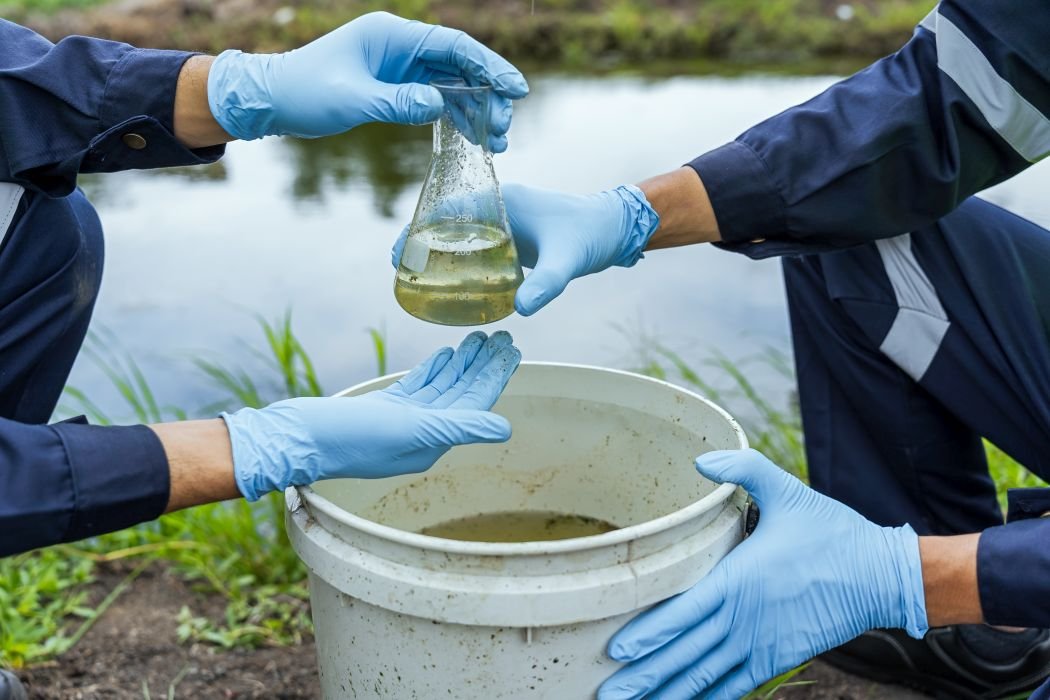
Modern water testing can identify a wide range of characteristics, including mineral levels, pH balance, bacteria, heavy metals, and other dissolved substances. Most homes won’t experience serious problems, but knowing what’s present provides peace of mind.
Private wells especially benefit from periodic testing because they aren’t monitored by municipal treatment facilities. Seasonal weather, nearby construction, and groundwater conditions can all influence test results over time.
The goal isn’t to become worried about every possibility. It’s simply to replace uncertainty with reliable information.
Paying Attention to chemical content
Another important factor homeowners often overlook is the chemical content found in their water supply. This doesn’t necessarily mean dangerous chemicals are present. Water naturally contains various dissolved compounds, and municipalities carefully monitor many treatment levels.
Still, certain regions may have higher concentrations of specific minerals or naturally occurring substances than others. Household plumbing materials can also influence what appears in tap water after years of use.
Routine testing helps identify these characteristics early, making it easier to choose the right treatment option if one is needed. Sometimes a basic carbon filter solves the issue. Other situations may require more specialized filtration depending on the results.
The key is making decisions based on facts rather than assumptions.
Everyday Habits That Make a Difference
Maintaining healthier water doesn’t always require expensive equipment.
Replacing refrigerator and faucet filters on schedule, flushing taps after extended vacations, cleaning aerators, and inspecting plumbing for corrosion can all contribute to better performance. If your home uses a water softener or filtration system, regular maintenance is just as important as installing it in the first place.
It’s also helpful to pay attention to gradual changes. Water problems rarely appear overnight. They tend to develop slowly, giving homeowners plenty of opportunities to address them before they become costly.
Keeping a simple record of filter replacements and annual water tests can save both money and frustration in the long run.
Final Thoughts
Water quietly supports nearly every part of daily life, yet it’s one of the easiest things to overlook until something seems off. Whether the concern is unusual taste, cloudy appearance, mineral buildup, or aging plumbing, paying attention early almost always leads to better outcomes.
You don’t need to become a water expert overnight. A little awareness, occasional testing, and routine maintenance go a surprisingly long way. Clean, dependable water isn’t just about convenience—it’s about protecting your home, extending the life of your appliances, and giving your family greater confidence in something they use every single day.
Sometimes the smallest habits produce the biggest benefits. And when it comes to the water flowing through your home, that’s a lesson worth remembering.
