Most people don’t spend much time thinking about their water until something feels a little off. Maybe the tap water suddenly tastes metallic. Maybe there’s a faint smell when the sink first turns on in the morning. Or maybe the glass of water sitting on the kitchen counter just doesn’t look quite right somehow.
It’s funny how quickly we notice changes in water, even tiny ones. Water is such a basic part of daily life that any difference instantly feels personal. You cook with it, drink it, wash with it, make coffee with it — every single day without much thought. So when something changes, even subtly, it sticks in the back of your mind.
And honestly, people today are paying closer attention than ever before.
Water Quality Isn’t Always Obvious at First
One of the tricky things about household water is that problems aren’t always dramatic. Sometimes the signs are small enough to ignore for months.
Cloudy ice cubes. A strange aftertaste in tea. Dry skin after showers. Staining around faucets. Little inconveniences that slowly become part of everyday life until someone finally says, “Wait… this probably isn’t normal.”
The visual side of water matters more than people realize too. Even when water is technically safe, poor clarity can immediately create doubt. If water appears cloudy or contains floating sediment, most people instinctively stop trusting it, regardless of what a water report says.
That reaction makes sense, honestly. People naturally associate clean-looking water with safety and comfort.
And while cloudy water isn’t always dangerous, it often points toward minerals, trapped air, sediment, or plumbing issues that deserve attention.
Taste Shapes Daily Habits More Than We Admit
One thing homeowners consistently underestimate is how heavily water influences flavor. Water affects coffee, tea, soup, pasta, ice cubes — basically anything prepared in the kitchen.
Poor taste changes behavior without people even realizing it. When water tastes unpleasant, many people drink less of it naturally. Instead, they reach for soda, juice, energy drinks, or anything else that masks the flavor they dislike.
Kids especially notice bad water quickly. If water tastes strange, they’ll avoid it almost immediately.
The frustrating part is that unpleasant taste often develops gradually. Chlorine, excess minerals, aging pipes, or stagnant plumbing lines can all affect flavor over time. Homeowners adapt little by little until a guest visits and casually says, “Your water tastes kind of weird,” which is always slightly awkward.
But that moment usually sparks curiosity — and sometimes a full kitchen filter installation shortly afterward.
Smell Is One of the Biggest Warning Signs
People can tolerate certain visual imperfections in water longer than they’ll tolerate strange smells. A strong odor coming from the tap instantly grabs attention because smell triggers concern very quickly.
Sulfur-like smells, chlorine odors, musty scents, or metallic notes can all point toward different underlying issues. Sometimes the cause is harmless mineral content. Other times, it may relate to bacterial growth, aging plumbing, or municipal treatment chemicals.
What makes odor issues especially frustrating is how inconsistent they can feel. Some homeowners only notice smells early in the morning. Others experience it more strongly with hot water than cold.
And honestly, that unpredictability tends to make people more anxious because intermittent problems feel harder to explain.
Fortunately, many odor-related concerns can be improved significantly once the source is identified properly.
Modern Filtration Has Changed the Conversation
Years ago, water filtration felt like something only highly cautious homeowners invested in. Today, it’s become much more mainstream.
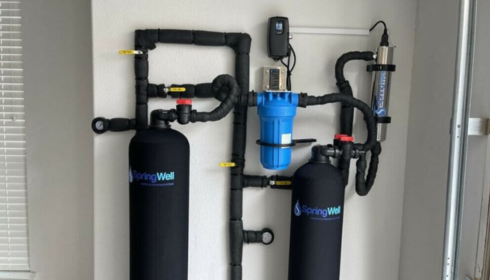
Modern filtration systems range from simple under-sink setups to advanced whole-house solutions designed to address highly specific water conditions. Some systems target chlorine taste and smell. Others reduce sediment, bacteria, heavy metals, or excess minerals depending on local water quality.
What’s changed most is accessibility. Homeowners now have far more options that fit different budgets, property sizes, and maintenance preferences.
And perhaps more importantly, people are more informed than they used to be. Water testing has become easier. Information is easier to access. Consumers ask smarter questions now instead of assuming all water issues are identical.
That’s actually a positive shift overall.
Better Water Quietly Improves Daily Life
The thing about improving water quality is that the results usually don’t feel dramatic in a flashy sense. Life doesn’t suddenly transform overnight.
Instead, small things quietly improve.
Coffee tastes cleaner. Ice cubes look clearer. Showers feel fresher. Cooking becomes more enjoyable. Glassware stops looking cloudy immediately after washing. These little upgrades gradually shape how comfortable a home feels every single day.
And honestly, comfort matters.
People spend enormous amounts of money upgrading kitchens, bathrooms, and appliances while sometimes overlooking the water running through all of them constantly. Yet better water often improves those spaces more than expected.
Maintenance Still Matters
Of course, installing a filter doesn’t solve everything forever. Systems need upkeep. Filters eventually require replacement. Water conditions can shift over time depending on infrastructure changes or seasonal factors.
But maintaining water systems today is usually fairly manageable. Many newer setups even include reminders or monitoring tools that simplify the process for homeowners who don’t want another complicated responsibility.
And really, consistent maintenance almost always costs less than ignoring water issues until bigger problems appear.
Final Thoughts
Water influences daily life quietly but constantly. The way it looks, smells, and tastes affects comfort, confidence, cooking, cleaning, and overall home experience more than many people initially realize.
Once homeowners start paying closer attention to water quality, they often discover that small improvements make a surprisingly meaningful difference over time.
Because at the end of the day, clean, fresh, reliable water isn’t just about convenience — it’s one of the foundations of a comfortable home.
