Most people don’t spend their mornings wondering what’s floating around in their tap water. You turn on the faucet, fill the kettle, rinse vegetables, maybe stand half-awake in the shower trying to convince yourself it’s not Monday yet. Water is just part of the background.
Until something changes.
Maybe the dishes start coming out cloudy no matter how much rinse aid you buy. Maybe your skin feels dry after every shower, or white buildup starts collecting around faucets faster than you can clean it. At first, it feels like random household irritation. But eventually, many homeowners realize the problem isn’t the soap, the dishwasher, or even the plumbing itself.
It’s the minerals inside the water quietly doing their thing day after day.
Why Hard Water Is More Common Than People Realize
Hard water isn’t exactly rare. In fact, millions of homes deal with it to some degree. The term simply refers to water carrying high levels of naturally occurring minerals collected as groundwater moves through soil and rock.
The two minerals most commonly responsible are calcium and magnesium. They aren’t dangerous in normal household amounts, which is why many people ignore hard water issues for years. But “not dangerous” doesn’t necessarily mean “problem-free.”
Mineral-heavy water slowly affects plumbing, appliances, cleaning routines, and overall comfort inside the home. It’s less like a sudden disaster and more like constant low-level friction quietly building over time.
I remember visiting a relative whose shower door looked permanently fogged no matter how often they scrubbed it. Turns out the water in their area was loaded with minerals. They’d simply stopped noticing because it had always been that way.
Humans adapt surprisingly quickly to inconvenience.
The Everyday Signs People Often Miss
One reason hard water sticks around unnoticed is because its symptoms feel ordinary at first. Soap doesn’t lather quite right. Towels feel stiff after washing. Your coffee maker needs cleaning more often than expected.
Then slowly, those little annoyances multiply.
Mineral scale forms inside pipes and appliances. Water heaters lose efficiency. Showerheads clog gradually. Faucets collect chalky residue that somehow reappears the day after cleaning.
None of this feels dramatic. But over several years, it adds up financially and emotionally in ways homeowners don’t always connect back to water quality.
A neighbor once joked that their house had “high-maintenance water.” Honestly, that wasn’t far from the truth.
How Water Softeners Actually Work
A lot of people hear technical explanations about softening systems and immediately tune out because the terminology sounds overly complicated. But the basic idea is fairly straightforward once you strip away the jargon.
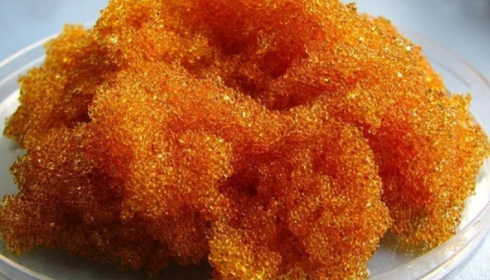
Many systems use tiny resin beads inside a treatment tank to help remove hardness minerals from the water supply. These beads attract and exchange mineral particles as water flows through the system, helping reduce the scale buildup associated with hard water.
It sounds more scientific than it feels in everyday life. Most homeowners simply notice softer laundry, cleaner dishes, fewer water spots, and showers that feel more comfortable afterward.
The interesting part is how quickly those small changes become normal once people experience them consistently.
Magnesium Often Gets Overlooked
People usually talk about calcium when discussing hard water because it creates visible white buildup so obviously. But magnesium also plays a major role in overall water hardness.
Together, these minerals influence everything from plumbing efficiency to how soap behaves during cleaning. High mineral levels make detergents work harder and leave behind more residue than many homeowners realize.
And oddly enough, some people become so accustomed to hard water that softened water initially feels “slippery” or unusual by comparison. That reaction is actually pretty common because their skin has adapted to years of mineral-heavy water.
Funny how the body normalizes things over time.
Why Hard Water Quietly Costs More
One thing homeowners often underestimate is how much energy and money hard water can waste over the long term.
Scale buildup inside water heaters forces them to work harder. Appliances lose efficiency. Pipes narrow gradually as mineral deposits accumulate inside. Even washing machines and dishwashers may need repairs or replacement earlier than expected.
Individually, these issues don’t always seem connected. But together, they slowly increase maintenance costs throughout the home.
That’s why many people who install water softening systems eventually say the investment paid for itself in ways they didn’t expect. Lower appliance wear. Less cleaning frustration. More efficient heating performance.
Not glamorous benefits, maybe. But practical ones.
Better Water Changes Daily Comfort Quietly
What’s interesting is that people rarely describe improved water quality in technical terms afterward. They don’t usually say, “The mineral content has been effectively balanced now.”
Instead, they say things like:
“My skin doesn’t feel dry anymore.”
“The dishes finally look clean.”
“Showers feel better somehow.”
And honestly, those reactions make perfect sense.
Water touches so many small routines every single day that even subtle improvements become emotionally noticeable over time.
Why Homeowners Are Paying More Attention Now
I think people today are simply more aware of what enters their homes overall. We think about food ingredients, air quality, cleaning chemicals, and long-term health more carefully than previous generations often did.
Water naturally became part of that conversation.
At the same time, rising appliance costs and utility bills make efficiency more important too. Homeowners want systems that last longer, perform better, and create fewer ongoing frustrations.
And hard water quietly interferes with all of that.
Final Thoughts
Most homeowners don’t realize how deeply water minerals affect everyday comfort until they experience the difference firsthand. What seems like ordinary buildup or minor irritation often traces back to mineral-heavy water moving through the house every day.
The good news is that understanding the problem usually makes solving it far less intimidating than people expect.
And maybe that’s the real takeaway here. Better water doesn’t need to transform your life dramatically. Sometimes it simply removes dozens of small frustrations you’d slowly stopped noticing — and honestly, that alone can make a home feel noticeably better.
