Most people only notice electrical infrastructure when something suddenly stops working. A power outage interrupts the workday, lights begin flickering during business hours, or equipment unexpectedly shuts down right when things are busiest. Until then, electricity quietly does its job in the background without much appreciation.
And honestly, that’s probably the best sign an electrical system is working properly.
Modern businesses depend on electricity in ways that would’ve seemed excessive twenty years ago. Offices run on cloud-connected systems, restaurants rely on digital ordering platforms, warehouses use automation equipment, and retail stores can barely process a payment if their systems go offline for even a few minutes.
Behind all of that daily activity sits a network most people never actually see.
Commercial Spaces Carry Bigger Electrical Demands
Commercial buildings are very different from residential properties when it comes to electrical requirements.
The systems are larger, the energy demand is heavier, and the consequences of failure are usually far more serious. In a home, a tripped breaker might be annoying. In a commercial setting, power loss can disrupt operations, damage stock, pause production, or create expensive downtime almost immediately.
That’s why properly designed commercial wiring matters so much.
Businesses often continue expanding long after the original building setup was installed. More computers get added. Equipment changes. Air conditioning systems become larger. Extra lighting gets installed. Before long, electrical demand increases far beyond what the original infrastructure was intended to handle.
The challenge is that many warning signs appear gradually. Overloaded circuits don’t always fail dramatically at first. They often show smaller symptoms long beforehand — occasional breaker trips, warm outlets, unstable power, or unexplained equipment issues that people learn to ignore.
Unfortunately, electrical systems usually don’t reward neglect forever.
The Details Most People Never Think About
One thing I’ve learned from talking with electricians over the years is how much hidden planning exists behind good installations.
Most people only see switches, sockets, or ceiling lights. They rarely think about the routes cables take through walls, ceilings, and industrial spaces. But those hidden details affect safety, reliability, and long-term maintenance far more than appearances alone.
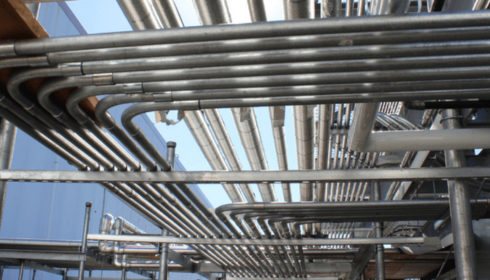
For example, proper conduit installation plays a surprisingly important role in protecting electrical cables from damage, moisture, heat, and general wear over time. In busy commercial environments especially, exposed wiring faces constant risk from movement, machinery, storage equipment, or environmental conditions.
Conduits create structure and protection most people never notice — until poorly protected systems eventually develop faults.
That’s probably true for a lot of electrical work, actually. The most important parts are often the least visible.
Older Buildings Often Hide Bigger Problems
Many commercial properties operating today were built in completely different eras with very different expectations.
Decades ago, offices weren’t running rows of high-powered computers all day long. Warehouses weren’t filled with automated systems. Restaurants didn’t depend on multiple digital ordering terminals, Wi-Fi infrastructure, and refrigeration systems simultaneously.
As technology evolved, many buildings adapted through small upgrades rather than complete system redesigns. Temporary fixes became permanent over time.
I once heard an electrician describe older commercial buildings as “layers of history hidden behind plasterboard.” Different generations of repairs, upgrades, and shortcuts stacked on top of each other for decades.
Sometimes those systems still technically function, but only just.
That’s why inspections and preventative maintenance matter so much in commercial environments. Small electrical issues tend to become very expensive once they start affecting business operations directly.
Good Contractors Think Beyond Immediate Repairs
The difference between rushed work and professional work often comes down to long-term thinking.
Experienced electrical contractors usually focus not only on fixing current problems, but on understanding how the building will continue functioning years into the future. They think about load capacity, future expansion, efficiency, accessibility, and maintenance needs before installation even begins.
That level of planning becomes incredibly valuable over time.
Businesses rarely stay exactly the same. Equipment changes. Staff numbers grow. Technology evolves. Electrical systems need enough flexibility to support those changes without constant disruption or expensive rewiring projects every few years.
And honestly, planning ahead usually costs far less than rebuilding systems after problems appear.
Energy Efficiency Has Become Part of Business Strategy
Electricity costs have become a major concern for many businesses recently, especially larger facilities with high energy usage.
Older systems can waste surprising amounts of electricity through inefficient layouts, overloaded circuits, or outdated equipment that draws more power than necessary. Modern upgrades often improve efficiency while also increasing reliability.
LED lighting systems, updated panels, better load distribution, and smarter automation controls can noticeably reduce energy consumption over time.
But beyond saving money, efficient systems usually create smoother daily operations too. Equipment performs more consistently. Systems experience less strain. Maintenance issues become less frequent.
In commercial spaces where downtime affects productivity directly, reliability matters just as much as efficiency.
Reliable Electrical Work Creates Invisible Comfort
There’s something oddly reassuring about walking into a building where everything simply works without problems.
The lights stay stable. Equipment powers up normally. Internet systems stay online. Employees can focus on their jobs without unexpected interruptions pulling attention away from important work.
Most people never stop to think about the electrical infrastructure making that possible.
And maybe that’s exactly the point.
When commercial electrical systems are designed properly, installed carefully, and maintained consistently, they fade quietly into the background while businesses continue operating smoothly around them.
Until something fails, it’s easy to underestimate how valuable that quiet reliability really is.
