Most homeowners don’t spend much time thinking about water until something starts feeling a little… off.
Maybe your coffee suddenly tastes different. Maybe the bathtub develops orange stains no matter how often it gets cleaned. Or perhaps your skin feels dry after every shower and you quietly blame the weather for months before realizing the issue may actually be coming from the tap.
Water has this strange habit of blending into the background of everyday life. We rely on it constantly, yet rarely stop to question what’s actually flowing through our pipes unless a noticeable problem appears.
And even then, many people simply adjust to the inconvenience instead of looking deeper.
Water Problems Often Start Quietly
One reason household water issues are easy to ignore is because they usually develop slowly. It’s not like a pipe suddenly explodes overnight and announces itself dramatically.
Instead, the signs tend to creep in gradually.
You notice white buildup around faucets. Glassware looks cloudy after washing. Laundry feels stiff. Appliances start needing repairs earlier than expected. Sometimes there’s a faint metallic taste or a smell that comes and goes depending on the season.
Individually, these things don’t always seem serious. Together, though, they often point toward underlying water conditions that deserve attention.
I remember visiting a relative whose kettle constantly collected thick mineral deposits inside after only a few weeks of use. They thought it was normal because “that’s just how water is here.” Turns out the issue was unusually high mineral content causing excessive hardness throughout the home’s water supply.
Once they addressed it, everyday maintenance became noticeably easier.
Your Water Affects More Than Drinking
People naturally focus on drinking water first, and that makes sense. But water quality impacts nearly every corner of a home.
It affects showers, dishwashers, washing machines, plumbing systems, coffee makers, water heaters, and even the lifespan of household appliances. Poor water conditions can quietly create wear and tear for years before homeowners fully realize what’s happening.
Hard water, sediment, sulfur, and mineral imbalances all behave differently, which is why guessing rarely solves the issue properly.
That’s also why professional water evaluations have become increasingly common. More homeowners are starting to realize that understanding their water is often the first step toward protecting both comfort and long-term maintenance costs.
Iron Problems Are More Common Than People Think
One issue that surprises many homeowners is the presence of iron in water supplies, especially in properties using private wells.
Sometimes it shows up as reddish-brown staining around sinks, tubs, or toilets. Other times it creates a metallic taste or unpleasant odor that makes water feel less appealing overall.
The tricky part is that iron problems aren’t always dangerous, but they can absolutely become frustrating. Stains become difficult to clean, laundry may discolor over time, and plumbing fixtures can start looking older than they actually are.
A friend once spent months replacing bathroom fixtures because they thought cheap hardware was rusting prematurely. Eventually a technician tested the water and found elevated iron levels were causing the discoloration all along.
That’s the frustrating thing about water issues — the visible symptom often isn’t the true problem.
Testing Helps Replace Guesswork With Answers
When homeowners notice changes in water taste, smell, or appearance, the internet usually becomes the first stop. And while online advice can sometimes help, it also creates confusion fast.
One website says you need a filtration system immediately. Another claims the issue is harmless. Before long, people feel overwhelmed by technical terms and conflicting recommendations.
That’s why proper testing matters so much.
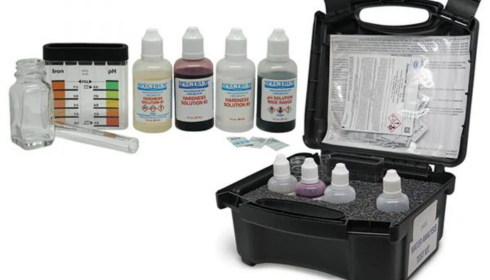
Collecting and evaluating water samples provides real information instead of assumptions. It allows professionals to identify specific contaminants, mineral levels, bacteria concerns, or treatment needs based on actual evidence rather than symptoms alone.
And honestly, even if the results come back relatively normal, there’s peace of mind in knowing.
Because uncertainty tends to create more stress than clarity does.
Water Quality Shapes Everyday Comfort
One underrated aspect of improving water quality is comfort.
Filtered or properly treated water changes daily experiences in subtle but meaningful ways. Soap rinses more easily. Hair feels softer. Dishes dry cleaner. Coffee tastes smoother. Even showers somehow feel more refreshing when mineral levels are balanced properly.
None of these changes sound particularly dramatic on paper. Yet together they make a home feel more comfortable and cared for.
It’s similar to indoor lighting or air temperature. You don’t always notice when everything feels right, but you absolutely notice when something feels wrong.
Not Every Home Needs the Same Solution
This is important because many homeowners assume water treatment always means installing a massive, expensive system.
That’s not necessarily true.
Some homes only need basic sediment filtration. Others benefit from water softeners, iron treatment systems, or targeted filtration depending on the specific issue. The right solution depends entirely on what’s actually happening inside the water supply.
That’s why testing first usually leads to smarter decisions later.
Buying random equipment without understanding the underlying problem often wastes money and solves very little.
Final Thoughts
Water quietly affects daily life more than most people realize. It touches nearly every part of the home, from drinking and cooking to cleaning, bathing, and appliance performance.
And because water problems tend to appear gradually, it’s easy to overlook early warning signs until maintenance issues or frustration start piling up.
Paying attention to those small signals — strange tastes, staining, buildup, odors, or appliance wear — can help homeowners address concerns before they become bigger headaches later on.
Sometimes the smartest thing you can do for your home isn’t a major renovation or expensive upgrade.
Sometimes it simply starts with paying closer attention to the water already flowing through it every single day.
