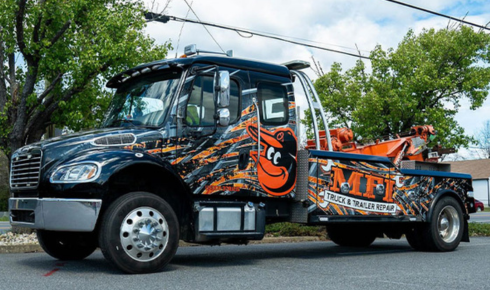
There’s a moment when you first see a freshly wrapped car in sunlight that’s hard to explain unless you’ve experienced it yourself. The finish catches light differently. Colors seem deeper somehow. Even older vehicles suddenly look sharper, more intentional — like someone gave them a second personality instead of just a cosmetic upgrade.
A few years ago, vehicle wrapping still felt niche, mostly reserved for race cars, luxury builds, or giant advertising vans. Now it’s everywhere. Daily drivers, Teslas, pickup trucks, motorcycles, even family SUVs are getting wrapped for reasons that go way beyond appearance.
And honestly, it makes sense.
People want customization without permanently changing their vehicles. They want protection, flexibility, and a bit of individuality too. Wrapping sits comfortably in that sweet spot between creativity and practicality.
More Than Just Looks
Most people assume wrapping is purely aesthetic. It’s not.
A good vinyl wrap acts like a protective layer between the outside world and your vehicle’s original paint. Sun exposure, tiny road debris, bird droppings, tree sap — all those annoying little things that slowly wear down paint over time — hit the wrap first.
For leased vehicles or high-value cars, that protection matters more than many owners realize. Keeping factory paint in excellent condition can make resale easier later on.
But protection is only part of the story.
Wrapping also allows people to experiment without commitment. Maybe you love matte black now but might want satin metallic blue two years from today. A wrap lets you evolve your style without the permanence and cost of repainting.
That freedom changes how people think about vehicle design entirely.
The Psychology Behind Car Color Choices
Car colors say weirdly personal things about people.
Some drivers want attention without admitting it. Others prefer understated finishes that only car enthusiasts notice. Then there are people who genuinely treat their vehicle like an extension of personality — bold, clean, chaotic, elegant, whatever fits their vibe at the time.
That’s probably why choosing wrap colors becomes surprisingly emotional for many owners.
It sounds simple at first. Until you’re staring at dozens of samples under different lighting conditions wondering why satin charcoal suddenly feels “too serious” or why gloss emerald green somehow reminds you of an expensive watch.
Lighting changes everything too. A color that looks soft and subtle indoors can appear aggressive in direct sunlight. Matte finishes absorb light differently than gloss finishes. Satin sits somewhere between the two and has become wildly popular because it feels refined without screaming for attention.
People spend weeks deciding sometimes. And honestly? I get it.
Trends Come and Go, But Texture Changed Everything
One of the biggest shifts in wrapping over the last decade wasn’t color — it was texture.
Carbon fiber patterns, brushed metal effects, color-shifting iridescent finishes, ultra-matte surfaces… wrapping evolved from “changing color” into creating completely different visual experiences.
Some textures look futuristic. Others feel surprisingly understated.
There’s also been a noticeable movement toward cleaner, more minimal aesthetics lately. Instead of loud graphics or flashy finishes, many owners now lean toward soft satin neutrals, muted earth tones, or barely-there metallic effects. It’s less about shouting and more about refinement.
Oddly enough, subtle wraps often get more attention because people can’t immediately figure out why the car looks different.
Installation Is Where Everything Either Works… or Doesn’t
Here’s the part many people underestimate: installation quality matters almost more than the material itself.
A poorly installed wrap can ruin the entire effect. Bubbles, lifting corners, uneven seams — once you notice them, you can’t unsee them. And bad installs tend to age terribly.
Professional installers spend years learning how different wrap films behave under heat, tension, and curved surfaces. Some films stretch beautifully while others resist complex contours. Certain finishes show fingerprints more easily. Some require delicate post-heating techniques to avoid lifting later.
It’s craftsmanship, honestly.
Watching an experienced installer work is oddly satisfying too. Heat guns, precision blades, careful stretching around mirrors and bumpers — it feels closer to design work than basic automotive labor.
Wrapping Culture Became Personal
One reason wrapping exploded in popularity is because it taps into something emotional. Cars have always been personal objects, but wraps make customization more accessible than traditional paint jobs ever did.
Not everyone wants a permanent modification. Some people just want their car to feel like theirs for a few years.
And social media definitely accelerated that culture.
Platforms filled with cinematic car edits and nighttime city shots turned wraps into visual storytelling tools. A unique finish photographs beautifully. Under streetlights, certain colors almost glow. It’s easy to see why enthusiasts got hooked.
But even outside car culture, wrapping became mainstream because regular people started realizing they didn’t need exotic cars to enjoy customization. A simple color change on an everyday sedan can completely shift how it feels to drive.
The Appeal Is Simpler Than People Think
At the end of the day, wrapping isn’t really about showing off.
For most people, it’s about enjoying something they see every single day. Cars are oddly emotional objects. We sit in them during stressful mornings, late-night drives, random road trips, quiet moments after long days. Changing how a vehicle looks can genuinely change how it feels to own it.
That may sound dramatic, but anyone who’s picked up their freshly wrapped car probably understands the feeling instantly.
It’s not just transportation anymore.
It feels personal.
