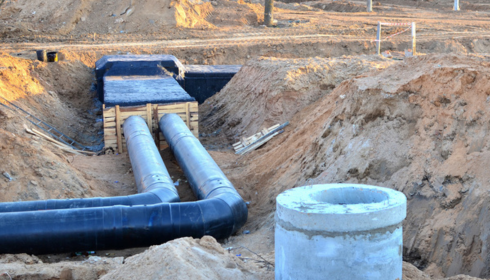
Most people don’t spend much time thinking about what’s happening beneath roads, behind walls, or underneath the floors of a building. And honestly, that makes sense. If water runs properly, drains clear without trouble, and buildings stay functional, infrastructure fades into the background of normal life.
But underneath every comfortable home, office, hospital, school, or shopping center is a network of systems working constantly behind the scenes.
Pipes move clean water across neighborhoods. Drainage routes carry waste away safely. Utility lines support everything from sanitation to daily convenience. These systems rarely get attention unless something fails — and when they do fail, people suddenly realize how much modern life depends on them.
It’s funny in a way. The most important systems are often the ones nobody notices.
Reliable Water Access Changes Everything
Clean water feels automatic nowadays. Turn a faucet and it appears instantly. But delivering water consistently across homes and commercial properties requires far more planning and coordination than most people realize.
Modern water supply systems manage pressure, filtration, distribution, storage, and flow simultaneously. In larger cities or commercial developments, that complexity increases dramatically because water demand changes throughout the day.
Morning showers, restaurant kitchens, office buildings, apartment complexes — all these environments place different demands on the system at different times.
I remember visiting a newly developed neighborhood once where residents constantly complained about inconsistent pressure during peak hours. The homes themselves looked beautiful, but the underlying water infrastructure hadn’t been properly designed for the actual usage demand.
That’s the thing about infrastructure planning. If systems aren’t built correctly from the beginning, the problems eventually become impossible to ignore.
And unlike cosmetic flaws, water access issues affect nearly every part of daily life.
Drainage Problems Usually Start Quietly
If clean water entering a property is important, removing used water safely matters just as much. Maybe even more in some situations.
A properly functioning drainage systems setup quietly protects homes and buildings every single day without asking for attention. Water disappears where it should. Rain drains properly. Wastewater moves away efficiently.
But once drainage struggles, problems escalate surprisingly fast.
Slow drains, standing water around buildings, flooded parking lots, damp basements, or unpleasant odors near plumbing fixtures are often signs something deeper is happening underground. Sometimes it’s a blockage. Other times soil movement, root intrusion, or aging pipes create larger issues hidden beneath the surface.
What makes drainage problems frustrating is how gradually they often develop.
A puddle after heavy rain seems harmless initially. Slightly slower drains become “normal” over time. Homeowners adapt little by little until suddenly a serious backup or flood forces attention onto the issue.
And water has very little patience once it starts moving in the wrong direction.
Infrastructure Work Happens Long Before Buildings Open
People naturally focus on finished buildings — the architecture, landscaping, interiors, lighting. But the real foundation of any successful property usually gets installed long before anyone sees the finished result.
Proper infrastructure installation involves careful coordination between engineers, utility providers, contractors, and planners. Water lines, sewer systems, electrical conduits, gas lines, storm drainage, and communication systems all need to work together efficiently before construction can fully move forward.
And honestly, underground work is far more complicated than most people imagine.
Soil conditions change from one site to another. Environmental regulations affect utility placement. Weather impacts excavation schedules. Existing infrastructure sometimes creates unexpected complications beneath the surface.
One poorly installed section of infrastructure can eventually affect an entire property years later.
That’s why experienced planning matters so much during development. Mistakes underground are rarely cheap or easy to fix after construction finishes.
Older Infrastructure Faces Growing Pressure
There’s an interesting challenge happening in many cities right now. A lot of infrastructure systems built decades ago are being pushed harder than they were originally designed for.
Growing populations, larger buildings, increased water usage, and changing environmental conditions all place additional stress on aging systems.
Pipes deteriorate slowly over time. Drainage capacity becomes insufficient during heavier storms. Utility lines struggle to keep pace with modern demand.
And because these systems remain mostly hidden, many problems develop quietly for years before becoming visible.
I remember reading about older neighborhoods where recurring flooding issues weren’t caused by storms alone — the underground drainage infrastructure simply couldn’t handle current runoff levels anymore because the area had developed so much over the decades.
That’s one reason infrastructure investment matters more than people sometimes realize. It’s not only about growth. It’s also about maintaining reliability for the systems already supporting everyday life.
Maintenance Isn’t Exciting — But It Prevents Bigger Problems
Nobody gets excited about infrastructure inspections. It’s not glamorous work.
But preventative maintenance quietly prevents enormous problems later.
Regular inspections help identify pipe deterioration before leaks become major failures. Drain cleaning reduces backup risks. Pressure monitoring reveals weaknesses before water lines burst unexpectedly.
And honestly, infrastructure emergencies rarely happen at convenient times. It’s usually during storms, holidays, or busy work periods when disruptions become even more stressful.
Preventative care may feel boring, but it consistently costs less than emergency restoration afterward.
The Best Systems Stay Invisible
There’s something strangely impressive about systems that work so well people barely notice them.
Water arrives clean and reliably. Drains clear without issue. Buildings stay comfortable and operational. Entire neighborhoods function normally because countless hidden systems continue working beneath the surface every day.
And maybe that’s the real value of good infrastructure. It quietly supports normal life without demanding recognition most of the time.
Until something breaks.
Then suddenly everyone notices just how much comfort, safety, and convenience depended on those invisible systems all along.
