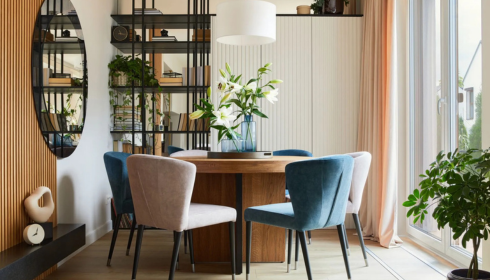
There’s a moment that happens in almost every well-designed home. You walk in, look around for a second, and instantly feel comfortable without really knowing why. The space feels calm. Balanced. Lived in, but not messy. Stylish, but not trying too hard.
And honestly, that feeling rarely comes from expensive architecture alone.
More often, it’s the quieter details doing the work — the textures, lighting, furniture choices, and the way everything fits together naturally. Those things shape how a room feels emotionally, even when people can’t explain it out loud.
A home should never feel like a furniture showroom. It should feel like a place where life actually happens.
Why People Are Moving Away From “Perfect” Interiors
For years, interior trends leaned heavily toward polished minimalism. Everything matched. Everything looked curated. Rooms appeared almost untouched, as if nobody actually lived there.
Beautiful in photographs? Sure.
Comfortable in real life? Not always.
Now, homeowners are craving spaces with more personality and warmth. Rooms that reflect routines, memories, and individual taste rather than whatever trend happens to dominate social media for six months.
That shift explains why custom furniture has become far more appealing lately. People want pieces that actually fit their homes instead of forcing rooms to adapt around generic store layouts.
And honestly, custom pieces tend to create more emotional connection too.
A dining table designed for big family dinners. A built-in reading bench near the window. Shelving created specifically for someone’s book collection or workspace. Those details make a home feel personal rather than temporary.
Comfort Matters More Than Trends
One thing I’ve noticed about truly inviting homes is that they rarely feel overly styled.
There’s softness in them.
Warmth.
A little imperfection.
Maybe the sofa shows slight wear from years of movie nights. Maybe the coffee table has scratches from real life happening around it. Somehow those things make a space feel more welcoming instead of less beautiful.
Good interior design isn’t really about perfection anyway. It’s about creating rooms that support the way people actually live.
That means thinking beyond appearances:
- Does the room feel relaxing?
- Is the lighting comfortable throughout the day?
- Can people move naturally through the space?
- Does the furniture encourage connection and conversation?
The emotional side of design matters far more than many people realize.
A poorly designed room quietly creates stress. A thoughtful one can make everyday life feel calmer without drawing attention to itself.
The Small Choices Quietly Shape Daily Life
Furniture arrangement, lighting placement, textures, and colour tones all affect mood in subtle ways.
A dark room can feel draining after a while.
Overcrowded layouts create tension.
Uncomfortable seating discourages people from actually using shared spaces.
On the other hand, thoughtful furnishing selections can completely change how a home feels emotionally. Softer fabrics create warmth. Layered lighting makes evenings feel calmer. Properly scaled furniture improves flow and comfort without homeowners necessarily noticing why.
And honestly, functionality matters just as much as style.
Beautiful furniture that nobody enjoys using eventually becomes frustrating. Homes work best when comfort and aesthetics support each other naturally instead of competing.
That balance is harder to create than social media often makes it seem.
Homes Should Reflect Real People, Not Catalogs
One reason many modern interiors feel forgettable is because they all start looking the same after a while. Identical colour palettes. Identical layouts. The same trendy chairs repeated endlessly online.
The most memorable homes usually ignore some of those expectations.
They mix styles naturally. They include meaningful objects collected over time. They allow rooms to evolve instead of locking everything into one perfectly coordinated aesthetic forever.
And honestly, that authenticity creates warmth no showroom can replicate.
A home should tell a quiet story about the people living there:
- What they value
- How they spend time
- What comforts them
- What routines shape their days
That emotional connection is what makes interiors feel truly personal.
Good Design Ages Gracefully
Trends move incredibly fast now. One year everything is ultra-minimalist. The next year homes are filled with layered textures, dark woods, or dramatic statement lighting.
Some trends genuinely inspire creativity.
Others disappear almost overnight.
The interiors that hold up best over time usually focus on timeless foundations instead:
- Natural materials
- Comfortable layouts
- Durable furniture
- Neutral architectural elements
- Flexible spaces
Then personality gets layered in gradually through textiles, artwork, lighting, and decor that can evolve more easily over time.
That approach creates homes that still feel fresh years later instead of becoming tied to one specific design era.
And honestly, people tend to feel more relaxed in timeless spaces too.
A Beautiful Home Should Still Feel Livable
Sometimes homeowners become so focused on creating “beautiful” interiors that they accidentally design spaces nobody can fully relax in.
The best homes avoid that trap.
They invite people to sit comfortably, gather naturally, and actually use the rooms without fear of ruining the aesthetic. Kids can run through them. Friends can stay too late talking around the kitchen table. Coffee cups can rest on surfaces without causing panic.
Those little signs of life are what make homes meaningful.
At the end of the day, beautiful interiors aren’t really about impressing strangers online. They’re about creating environments that quietly improve daily life. Spaces that feel calming after stressful days and welcoming during ordinary moments people eventually remember most.
And honestly, that feeling lasts much longer than any design trend ever will.
