There’s a quiet shift happening in how we think about water. Not the dramatic kind you’d see in headlines—just a subtle change in habits. People are paying more attention. To taste, to convenience, to where their water actually comes from.
It’s not about overthinking something simple. It’s about realizing that something we use every day can be… better.
The Old Routine We Didn’t Question
For years, the routine was straightforward. You’d see those big blue bottles stacked in the corner of an office or kitchen. Someone would eventually lift one, flip it onto a dispenser, and that was that.
It worked. It was familiar.
But it wasn’t exactly convenient. Bottles ran out at the wrong time. Storage became an issue. And honestly, lugging those heavy containers around never felt like a long-term solution.
Still, we stuck with it—mostly because we didn’t think much about alternatives.
When Convenience Starts to Matter
At some point, convenience becomes more than a nice-to-have. It becomes part of how we evaluate everyday systems.
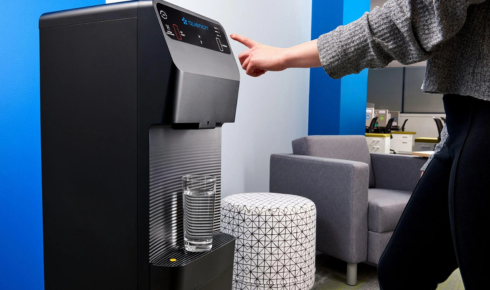
That’s where bottleless water dispensers started gaining attention. Instead of relying on delivered bottles, they connect directly to a water line and filter it on demand.
No storage. No lifting. No last-minute runs when the water runs out.
It’s a small change, but one that simplifies things in a way you immediately appreciate. Water becomes something you don’t have to manage—it’s just there, consistently available.
The Question of What’s Actually in Your Water
Convenience is one thing. Quality is another.
Once people start thinking about water more seriously, the next question usually follows: what am I actually drinking?
That’s where systems designed for deeper filtration come into play. Among them, reverse osmosis systems have become a popular choice for those looking for a higher level of purity.
They work by filtering water at a very fine level, removing impurities that can affect taste and clarity. The result isn’t dramatic in a flashy way—it’s subtle. Water feels cleaner, lighter. Coffee tastes a bit better. Even a simple glass of water becomes more refreshing.
And once you notice that difference, it tends to stick.
The Familiar Comfort of Simplicity
Of course, not everyone is looking to overhaul their setup. Sometimes, the goal is simply to improve what’s already there.
That’s where traditional water coolers still have a place. They’re simple, reliable, and easy to use. For many homes and offices, they strike a balance between accessibility and function.
What’s interesting is how these different options—bottleless systems, advanced filtration, classic coolers—can all coexist. It’s not about replacing one with another. It’s about choosing what fits your space and your habits.
The Subtle Impact You Don’t Expect
What surprises most people isn’t just the convenience or the taste—it’s how these changes ripple into everyday life.
Better water can mean fewer plastic bottles, less clutter, and a more streamlined routine. It can make shared spaces feel more organized. Even something as simple as filling a glass becomes a smoother experience.
These aren’t big, dramatic improvements. They’re small, steady ones. But over time, they add up.
Finding What Works Without Overthinking It
If you’re considering making a change, it’s easy to get caught up in the details. There are so many options, so many features, so many opinions about what’s “best.”
But here’s the thing—you don’t need to find the perfect solution. You just need to find one that works for you.
Start with your priorities. Is it convenience? Taste? Sustainability? Once you know what matters most, the decision becomes much clearer.
And remember, you don’t have to change everything at once. Even a small step can make a noticeable difference.
A Quiet Upgrade That Feels Natural
The best improvements are often the ones that blend into your routine without making a fuss. They don’t demand attention—they just make things easier.
That’s what better water solutions tend to do. They simplify, refine, and improve without disrupting your day.
And after a while, you stop thinking about them altogether.
Final Thoughts
Water is one of those things we use constantly but rarely think about. Until we do.
And when we start paying attention, we realize there’s room for improvement—not in a complicated way, but in a practical, everyday sense.
Whether it’s switching to a more convenient system, improving filtration, or simply rethinking how water fits into your space, the goal is the same.
To make something essential feel just a little bit better.
And sometimes, that’s all it takes.
