Water Quality Is Worth Paying Attention To
Water is one of those everyday things we rarely question. We turn on the kitchen faucet, fill a glass, wash vegetables, take a shower, and carry on with the day. It’s easy. Until it isn’t.
Maybe there’s stubborn buildup around the sink. Perhaps your dishes keep coming out with spots, or the water has a taste you just can’t get used to. Sometimes the problem is obvious, while other times it quietly develops over months.
That’s why choosing a water treatment system deserves a little more thought than simply buying the first filter you see online. Good water treatment starts with understanding the water, identifying the actual problem, and finding a solution that fits the home.
Start With a Water Quality Check
Before investing in treatment equipment, it makes sense to understand what you’re dealing with. Water can contain different levels of minerals, sediment, chlorine, iron, and other substances depending on the source and local conditions.
Testing provides a clearer picture. It can help homeowners understand whether hard water is the main concern, whether drinking-water filtration is needed, or whether another treatment method makes more sense.
This step can save money, too. There’s no point paying for a complicated system designed to remove something your water doesn’t contain.
Think of it like getting a diagnosis before starting a repair. You want to fix the right thing.
Why Personalized Service Matters
Water treatment isn’t always straightforward. Every home has different plumbing, water usage, household size, and priorities.
That’s where prompt, professional, and personalized service can make the experience much easier. A knowledgeable provider should listen to the homeowner first, ask useful questions, explain the available options, and recommend equipment based on actual water conditions.
Good service shouldn’t feel like a sales pitch. You should feel comfortable asking, “Why do I need this?” or “Is there a simpler option?”
Clear answers matter. So does having someone available when questions come up after installation.
Understanding Hard Water
Hard water is a common reason homeowners start looking into treatment. It contains minerals such as calcium and magnesium, which can leave deposits on faucets, shower doors, dishes, and appliances.
Over time, mineral buildup can become a real nuisance. Cleaning takes longer, fixtures may look dull, and water-using appliances can accumulate scale.
A water softening system is designed specifically to reduce the effects of hard water. By addressing hardness minerals, a properly selected softener can help make everyday cleaning easier and reduce scale throughout the plumbing system.
Still, it’s important to remember that softening and filtration aren’t the same thing. A softener is not automatically the solution for every water-quality concern.
Drinking Water Deserves Its Own Consideration
Whole-home water treatment and drinking-water filtration can serve different purposes. Some homeowners want improved water quality throughout the property, while others are mainly concerned about what they drink and cook with.
For drinking water, reverse osmosis is one technology worth considering when appropriate for the water conditions.
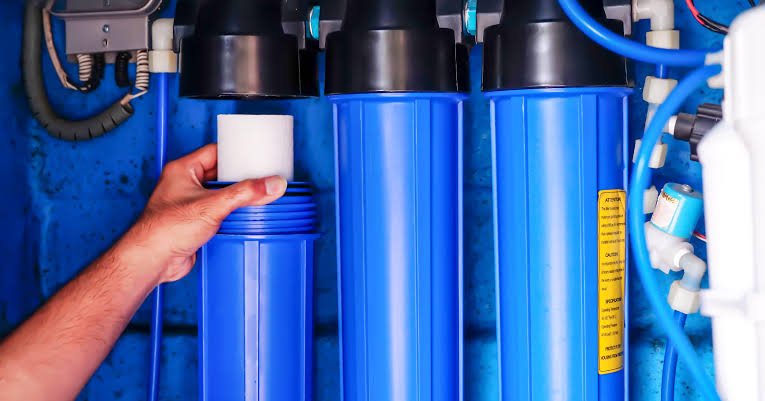
An advanced reverse osmosis system can use multiple filtration stages and a semipermeable membrane to reduce many dissolved substances from drinking water. These systems are often installed at a kitchen sink, providing treated water at a convenient point of use.
Like any treatment technology, reverse osmosis requires maintenance. Filters and membranes need to be replaced according to the manufacturer’s recommendations, and proper installation matters.
Technology Is Helpful When It Solves a Real Problem
Water treatment technology continues to improve. Today’s systems may include better filtration media, compact designs, monitoring features, and more efficient components.
But homeowners shouldn’t feel pressured to choose the system with the longest list of features.
Technology is useful when it addresses a real concern. A monitoring feature can be helpful if it makes maintenance easier. A multi-stage filter may be valuable when testing identifies several treatment needs.
Otherwise, extra features can simply add cost and complexity.
The smartest choice is usually the technology that does its job well without making everyday life harder.
Maintenance Is Part of the Deal
One mistake homeowners sometimes make is thinking that water treatment ends when installation is complete. It doesn’t.
Filters need changing. Salt-based softeners need appropriate salt levels. Components may need periodic inspection. Some systems require professional servicing.
Understanding these requirements before purchasing equipment can prevent unpleasant surprises later.
Ask how often filters need replacement and what they cost. Find out whether maintenance can be handled easily and whether professional support is available.
A system that is simple to maintain is often much easier to live with over the long run.
Installation Can Affect Performance
Even high-quality equipment can struggle if it isn’t installed correctly.
Proper sizing, plumbing connections, water pressure, drainage, and system configuration all influence performance. Professional installation helps ensure that the treatment equipment matches the home’s water demands.
It also gives homeowners an opportunity to learn how everything works.
A good installer should explain basic operation, maintenance requirements, replacement schedules, and warning signs. You shouldn’t have to stand in front of the equipment months later wondering what a blinking light means.
Look at Long-Term Value
Price is important, but it shouldn’t be the only factor.
When comparing water treatment systems, consider installation costs, replacement filters, maintenance, warranties, operating expenses, and expected service life.
A less expensive system may not be the best value if it requires frequent repairs or hard-to-find replacement parts. On the other hand, paying more doesn’t automatically mean better quality.
The sweet spot is a system that matches your needs, performs consistently, and remains reasonably affordable to maintain.
Making Water Treatment Feel Simple
Choosing water treatment equipment can seem complicated at first, but it doesn’t have to be.
Start with testing. Identify the problem. Ask questions. Compare appropriate technologies, and think about how much maintenance you’re realistically willing to handle.
Most importantly, choose a provider that treats your home as an individual project rather than simply another installation.
At the end of the day, good water treatment should make life easier. You should notice cleaner fixtures, better-tasting drinking water, fewer hard-water frustrations, or simply greater confidence in the water your household uses every day.
The equipment may sit quietly in a utility room or beneath the kitchen sink, doing its work without much attention. That’s perfectly fine. When a water treatment system works the way it should, not having to think about it is often the best sign of all.
