Water is something most of us barely think about until it starts causing problems. A faucet develops white spots, a shower loses pressure, or an appliance that used to work perfectly suddenly needs attention. These little annoyances can seem unrelated, but they may have one thing in common: the quality of the water moving through the system.
Water naturally contains minerals and particles, and their levels can vary depending on the source. Some homes deal with relatively clean municipal water, while others rely on wells with a completely different mineral profile. Understanding what’s in your water can make maintenance easier and help you avoid spending money on the wrong solution.
The Everyday Effects of Hard Water
Hard Water is one of the most common water-quality concerns in homes and commercial properties. It contains elevated amounts of minerals, particularly calcium and magnesium.
Hard water isn’t necessarily something you can identify immediately by looking at a glass. Instead, its effects tend to appear gradually. Soap may not lather as easily, dishes can develop cloudy spots, and fixtures may become coated with a chalky residue.
You might also notice that your skin feels dry after a shower or that shampoo seems harder to rinse away. None of these signs alone proves you have hard water, but together they can be worth investigating.
A simple water test can tell you much more than guesswork ever will.
Why Scale Formation Happens
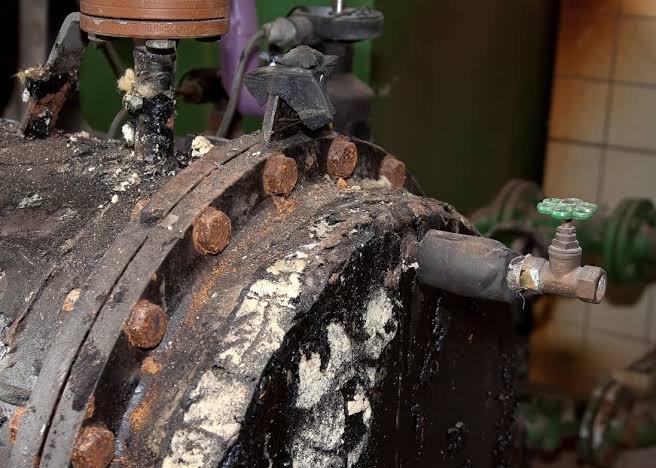
When hard water is heated or allowed to evaporate, dissolved minerals can settle onto surfaces. Over time, this can lead to Scale Formation inside pipes, water heaters, faucets, dishwashers, and other equipment.
Think about the white crust you sometimes see around a showerhead. That’s a small, visible example of what can happen inside equipment where you can’t see it.
Scale buildup can restrict water flow and reduce the efficiency of appliances that heat water. In commercial settings, the consequences can be even more noticeable because equipment may operate for long hours every day.
Regular inspection and appropriate water treatment can help reduce these problems.
Sediment Is a Different Kind of Problem
Not everything found in water is dissolved. Some material travels through the system as tiny particles.
Sediment & Particles can come from wells, aging plumbing, storage tanks, construction activity, or other parts of the water supply. Depending on their size and concentration, these particles may make water appear cloudy or leave deposits in fixtures.
Sediment can also clog filters, faucet aerators, valves, and other components. If you’re constantly replacing filters because they fill with dirt or particles, it may be worth finding out where that material is coming from.
A properly selected sediment filter can help, but treating the source is often just as important.
Why Water Heaters Often Show the Problem First
Water heaters are particularly vulnerable to mineral buildup because heating encourages dissolved minerals to settle out of the water.
Over time, deposits can collect around heating elements or at the bottom of a tank. The heater may then need to work harder to warm the water.
You might notice longer heating times, unusual noises, or higher energy use. Of course, those symptoms can have several causes, so they shouldn’t automatically be blamed on hard water.
Still, if you already know your water has high mineral content, scale should be part of the conversation when maintaining the equipment.
Commercial Properties Have More at Stake
In a business, water problems can affect more than a few faucets.
Restaurants rely on water for dishwashing, cooking, cleaning, ice machines, and other daily operations. Hotels have showers, laundry systems, kitchens, and guest facilities. Manufacturing facilities may use water as part of production or cooling processes.
When scale or sediment interferes with equipment, downtime can become expensive.
That’s why commercial properties often benefit from water testing and treatment planning based on actual usage. A system designed for a small household may not be appropriate for a facility with much higher flow rates.
Don’t Choose Treatment by Guessing
One of the easiest mistakes is buying a treatment system before understanding the water.
A water softener can help with hardness, but it isn’t designed to remove every contaminant or particle. A sediment filter can capture certain particles but won’t necessarily address dissolved minerals.
Water treatment is not really a one-size-fits-all business.
Testing can reveal hardness levels, sediment concerns, pH, dissolved substances, and other characteristics. Once you know what you’re dealing with, it becomes much easier to compare treatment options.
And frankly, that can save money. There’s little point paying for equipment that solves a problem you don’t actually have.
Maintenance Keeps Small Problems Small
Even the right treatment system needs attention.
Filters need to be changed. Softening equipment may require servicing. Water heaters need inspection and cleaning. Pipes and fixtures should be checked for signs of buildup.
Ignoring maintenance doesn’t make the problem disappear. It usually just gives it more time to grow.
Create a simple schedule and keep track of important dates. If you manage a business, assigning responsibility to a particular employee or maintenance team can help prevent routine tasks from being forgotten.
Watch for Changes in Your Water
Your water can provide useful clues when something changes.
A new taste, unusual smell, discoloration, reduced pressure, or sudden increase in sediment deserves a closer look. It may be something simple, such as a clogged filter, but it could also indicate an issue with the source or plumbing.
For private wells, changes can sometimes follow heavy rainfall, flooding, nearby construction, or other environmental events.
Testing is especially helpful when the cause isn’t obvious.
Better Water Starts With Better Information
Hardness, scale, and sediment may sound like separate problems, but they can all affect how a water system performs.
The smartest approach is to understand the source, test when appropriate, and choose treatment based on actual conditions. Don’t let a flashy product claim make the decision for you.
A well-maintained water system doesn’t need to demand your attention every day. With the right treatment, regular inspections, and a little common sense, you can protect fixtures and equipment while keeping everyday water use more comfortable.
Sometimes the best solution is surprisingly simple. First find out what’s in the water. Then deal with the problem you actually have.
