There’s a certain comfort that comes from sitting inside during a heavy storm and not worrying about what’s happening above your head. Rain pounds against the house, wind rattles tree branches outside, maybe thunder rolls somewhere in the distance — but inside, everything feels steady.
That feeling doesn’t happen by accident.
Most people rarely think about their roof until something goes wrong. And honestly, that’s understandable. Roofs are one of those parts of a house that quietly do their job in the background for years. They don’t ask for attention when they’re working properly. But the moment there’s a leak, missing shingles, or water stains spreading across a ceiling, suddenly the roof becomes the most important thing in the world.
Funny how fast priorities shift like that.
The truth is, a well-built roof affects daily life more than homeowners often realize. It influences energy efficiency, indoor comfort, maintenance costs, and even stress levels during bad weather.
Roofing Isn’t Just Construction — It’s Protection
People sometimes think roofing work is all about shingles and ladders. But there’s much more happening beneath the surface.
Good roofing systems are designed to manage airflow, moisture, insulation, and drainage all at once. Every layer matters. Flashing, underlayment, ventilation, sealing — when one piece fails, the entire system becomes vulnerable over time.
And roofs take a beating year after year.
Blazing heat dries materials out. Wind slowly loosens edges. Rainwater tests every seam. Even temperature changes create expansion and contraction that gradually wear things down. It’s constant pressure, season after season.
I remember talking to a homeowner who ignored a minor attic moisture issue because the roof “looked fine from outside.” A year later, hidden mold damage had spread far enough that insulation and sections of wood framing needed replacement.
That’s the tricky part about roofing problems. They’re often invisible until they become expensive.
Which is why preventative care matters so much, even when everything seems okay on the surface.
Choosing the Right Contractor Matters More Than People Expect
Homeowners usually don’t hire roofers very often, so when problems appear, the process can feel overwhelming fast. Suddenly there are estimates, material choices, warranties, timelines, and a hundred opinions from neighbors who all “know a guy.”
Finding a trustworthy roofing contractor becomes incredibly important because most homeowners simply don’t have the expertise to evaluate roofing quality themselves.
And honestly, good contractors feel different from the start.
They explain problems clearly without creating panic. They answer questions patiently. They discuss realistic timelines instead of overpromising everything. Most importantly, they treat the home like it belongs to an actual family instead of just another project on a schedule.
I’ve noticed homeowners rarely remember the cheapest estimate years later. What they remember is whether the contractor communicated honestly, showed up consistently, and left them feeling confident about the work.
Trust matters when someone is literally tearing apart and rebuilding the structure protecting your home.
There’s also a human side to these projects that gets overlooked. Roofing work is disruptive. Loud. Stressful sometimes. Good contractors understand that and try to reduce chaos wherever possible.
The Exterior of a Home Tells a Story
When people pull into a neighborhood, they notice roofs immediately even if they don’t consciously realize it.
A worn, aging roof changes how an entire home feels from the street. Meanwhile, clean and well-maintained exterior roofing can completely refresh a property without changing anything else.
But good exterior work isn’t only about appearance.
Updated roofing materials often improve insulation performance, reduce energy costs, and help homes withstand increasingly unpredictable weather patterns. In many areas, newer materials are specifically designed to resist stronger winds, moisture intrusion, and heat exposure more effectively than older products.
That matters more than ever lately.
Weather has become harder to predict in many regions. Storms seem stronger. Heat waves last longer. Homeowners are starting to think less about cosmetic upgrades and more about long-term durability.
And honestly, that shift makes sense.
A beautiful home means very little if it struggles during every major weather event.
Small Maintenance Habits Prevent Bigger Problems
One thing roofing professionals mention constantly is how much damage could be avoided with basic maintenance and inspections.
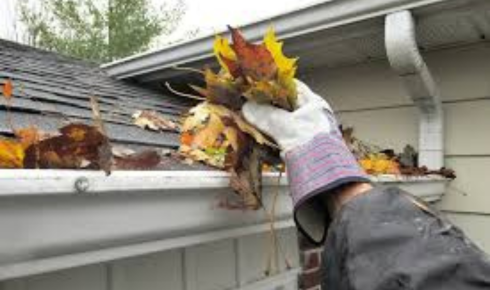
Clearing debris from valleys. Checking flashing after storms. Watching for lifted shingles. Making sure gutters drain correctly. These small habits help extend roof lifespan significantly.
Yet most homeowners don’t think about the roof until visible damage forces attention.
I get it though. Roofs aren’t exciting. Nobody wakes up eager to inspect attic ventilation on a Saturday morning.
But maintenance is always cheaper than emergencies.
And beyond money, proactive care reduces stress too. There’s a big emotional difference between scheduling a planned inspection and panicking during an active leak while rain pours through the ceiling.
Homes function best when problems are addressed early, before they snowball into larger repairs.
A Reliable Roof Supports Everyday Life Quietly
At the end of the day, roofs protect much more than structures.
They protect routines. Family dinners during thunderstorms. Sleep during windy nights. Quiet mornings while rain taps against the windows. The feeling that home is safe regardless of what’s happening outside.
That reliability shapes daily life in ways people rarely notice until it disappears.
And maybe that’s why roofing projects matter emotionally, even if homeowners don’t always admit it out loud. A strong roof creates peace of mind. It allows people to relax inside their homes instead of worrying every time dark clouds roll in.
Honestly, that kind of comfort is hard to put a price on.
Because when a roof is built properly and cared for consistently, it becomes something incredibly valuable — invisible protection you barely think about, which is probably the best compliment a roof can receive.
