It’s rarely one big moment. No sudden breakdown, no dramatic warning sign. Just a series of small annoyances that seem unrelated at first.
Your shower pressure feels weaker than it used to. Your kettle needs cleaning more often. The tap doesn’t flow quite as smoothly. You shrug it off—maybe it’s just wear and tear.
But over time, those little things start to connect.
And when they do, you realize your water might be playing a bigger role than you thought.
The Quiet Build-Up You Don’t Notice at First
Water leaves traces. Not always visible right away, but they’re there.
A thin layer inside pipes. A chalky residue on fixtures. A gradual narrowing of flow paths that you don’t see until it starts affecting performance.
That’s scale buildup, and it’s one of the most common causes of slow, frustrating changes in how your home functions.
It forms when minerals in water settle and harden over time. At first, it’s harmless—just a bit of residue. But as it accumulates, it begins to interfere with the systems you rely on every day.
And because it builds slowly, it often goes unnoticed until the effects are already there.
When Small Issues Turn Into Bigger Ones
What makes scale tricky is how it leads to other problems.
Reduced water flow. Increased pressure inside pipes. Components working harder than they should. These are the kinds of things that don’t seem urgent—until they are.
Eventually, what started as a minor inconvenience can lead to something more serious.
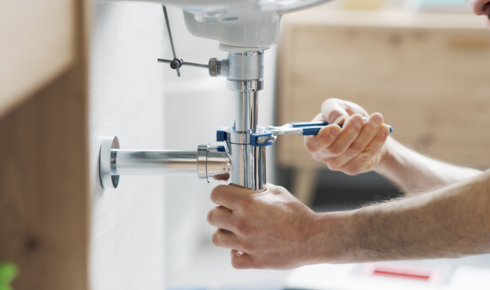
That’s when plumbing repairs enter the picture.
And by that point, it’s not just about fixing a single issue. It’s about addressing the long-term effects of something that’s been building quietly in the background.
The Impact You Feel Without Realizing It
Water affects more than just your pipes.
It’s in your appliances, influencing how efficiently they run. It’s in your daily routines, shaping how easily things get done. It’s in your energy use, quietly affecting how much effort your systems need to function.
When water is balanced, everything feels smoother. You don’t think about it.
But when it’s slightly off, those small inefficiencies start to show up everywhere.
And one of the biggest areas it touches is water efficiency.
Why Efficiency Isn’t Just About Saving Water
When people think about efficiency, they often think about conservation—using less water, reducing waste.
But efficiency is also about how well your water works.
When pipes are clear, appliances run smoothly, and flow is consistent, your system doesn’t have to work as hard. Energy use stays lower. Wear and tear is reduced.
But when buildup interferes, everything becomes just a bit less efficient.
Not dramatically. Just enough to make a difference over time.
The Small Signs That Tell the Story
Water doesn’t usually give you obvious warnings. It leaves clues.
A tap that takes longer to fill a glass. A shower that feels less powerful. Appliances that seem to need more attention than they used to.
Individually, these signs don’t feel like much. But together, they point to something deeper.
And once you start noticing them, it becomes easier to connect the dots.
Understanding Before Acting
It’s tempting to jump straight into solutions. Replace a part, clean a fixture, call for a repair.
But without understanding the underlying cause, those fixes can feel temporary.
Taking a step back—looking at how your water behaves, noticing patterns—can make a big difference.
Because when you understand what’s happening, the right solution becomes clearer.
A Change That Happens Gradually
Improving your water isn’t something you notice overnight.
There’s no big reveal moment. No dramatic shift from one day to the next. Instead, it’s gradual.
Your water flows more freely. Your appliances seem to work without as much effort. Your home feels just a bit easier to manage.
And then, after a while, it becomes normal.
You stop thinking about it—because everything is working the way it should.
A Final Thought, Just to Sit With
Water is one of those things we rely on constantly, yet rarely question.
But when you start paying attention—even just a little—you realize how much it shapes your daily life.
Not in big, obvious ways. In small, consistent ones.
And sometimes, those small observations are enough to prevent bigger problems—and make everything feel just a little bit better over time.
