There’s always that one room. The one that never quite cooperates. Maybe it’s too warm in the afternoon, or oddly cold at night. You walk from one part of the house to another and feel the difference immediately, like stepping between two seasons.
It’s subtle, but it sticks with you.
And after a while, you start wondering if comfort really has to be this uneven.
When One Thermostat Isn’t Enough
Most homes are built around a single thermostat controlling everything. It sounds simple—and it is—but simplicity doesn’t always mean accuracy. Different rooms behave differently. Sunlight hits one side of the house harder. Some areas get more use than others.
So when you adjust the temperature, you’re often compensating. Cooling one space just to fix another. Heating a room you’re not even using.
That’s where multi zone ductless systems begin to change the conversation.
Instead of treating the house as one uniform space, they break it into smaller, manageable zones. Each area gets its own control, its own rhythm. You’re no longer forcing the entire home to follow one setting—you’re letting each part breathe a little.
And honestly, once you experience that kind of control, it’s hard to go back.
The Quiet Appeal of Using Less Energy
There’s been a shift in how people think about energy. Not just saving money, but using it more thoughtfully. Avoiding waste where possible, without sacrificing comfort.
That’s where energy efficient cooling becomes more than just a technical term.
It’s about systems that don’t run harder than they need to. That adjust based on real demand instead of fixed patterns. That cool a room because it’s being used—not just because the system was set hours ago.
And over time, that approach adds up. Lower bills, sure, but also a kind of awareness. You start noticing how your home behaves, how different choices affect comfort.
It’s not dramatic, but it feels smarter.
Comfort That Adjusts to Real Life
Life isn’t static. Some rooms stay empty most of the day. Others are used constantly. Schedules shift, seasons change, and what felt comfortable last month might feel different now.
That’s why flexible heating and cooling solutions matter more than ever.
It’s not about chasing perfection—it’s about adapting. Being able to adjust settings without affecting the entire house. Keeping one room cool while another stays neutral. Warming up a space just before you use it instead of all day long.
It’s small control, but it makes everyday living easier.
The End of Hot and Cold Battles
If you’ve ever shared a home with other people, you know the thermostat debate. One person wants it cooler, another prefers it warmer. Someone’s always compromising.
Or, more accurately, someone’s always slightly uncomfortable.
Zoned systems don’t solve every disagreement, but they definitely reduce them. Each person, each space, gets a bit more control. And that reduces the need for those constant adjustments that never quite satisfy everyone.
It’s not about winning the temperature war—it’s about avoiding it altogether.
Installation That Fits Modern Living
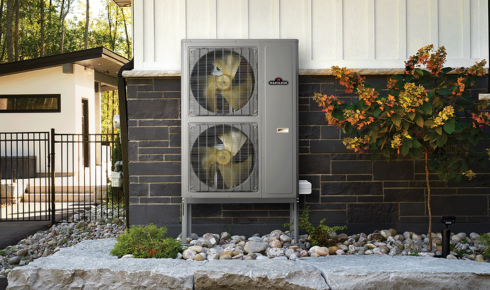
One of the reasons ductless systems are becoming more popular is how well they fit into modern homes. Especially in spaces that weren’t originally designed for central air.
Additions, renovated rooms, older houses with no ductwork—these are all situations where traditional systems can feel limiting.
Ductless setups, particularly zoned ones, offer a kind of flexibility that works around these challenges instead of forcing a one-size-fits-all solution.
And while they’re not invisible, they tend to blend in over time. Function starts to matter more than form, especially when comfort improves.
The Small Shifts That Make a Big Difference
What’s interesting about upgrading your HVAC system isn’t the big changes—it’s the small ones.
Sleeping better because your room stays consistent. Noticing fewer energy spikes in your bills. Walking into different parts of your home and feeling a sense of balance instead of contrast.
These aren’t things you plan for. They just happen.
And over time, they change how you experience your space.
Is It Right for Every Home?
Not necessarily.
Larger homes might require multiple units, which can add to the upfront cost. Some people prefer the simplicity of a single system. Others don’t want visible units on their walls.
And that’s fair.
But for those dealing with uneven temperatures, rising energy costs, or spaces that never quite feel right, zoned ductless systems offer a different path.
Not perfect, but often better suited to real-life use.
Final Thoughts
Comfort isn’t just about setting a temperature and walking away. It’s about how your home responds to your daily life—how it adapts, adjusts, and supports the way you live.
Systems that recognize those differences, that allow for flexibility and control, tend to feel more natural over time.
And when your home starts to feel consistently comfortable—not just in one room, but everywhere—you notice it.
Not in a loud, obvious way.
Just in the quiet sense that things are finally… working the way they should.
