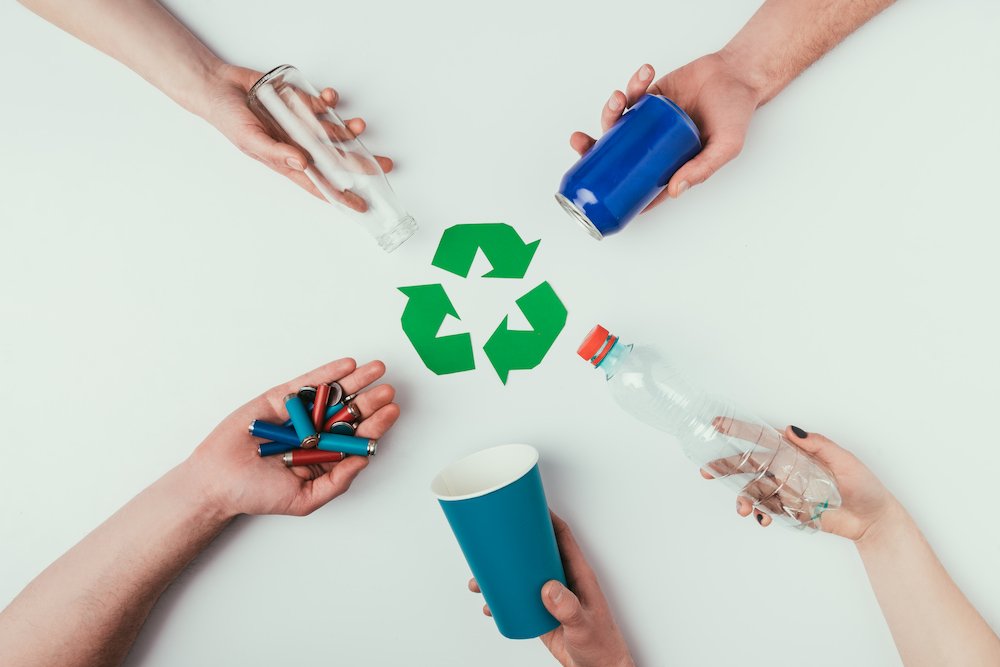
Recycling has become an important part of modern living, but it is often the small, everyday decisions that create the biggest impact. Tossing a bottle into the right bin, reusing materials, or choosing products with less waste may seem like simple actions. Yet, when millions of people make those choices consistently, they help create cleaner communities and a healthier environment.
The way we handle discarded materials says a lot about how we value our surroundings. Waste is unavoidable, but wasting resources does not have to be. With better awareness and practical recycling methods, homes, businesses, and communities can reduce unnecessary waste while making better use of valuable materials.
Why Recycling Has Become Essential Today
The world produces an enormous amount of waste every year. As populations grow and consumption increases, the need for responsible waste management becomes more important than ever.
Many items that are thrown away still have useful value. Paper, glass, metals, and certain plastics can often be processed and transformed into new products. When these materials are recycled instead of buried in landfills, fewer natural resources are consumed.
Recycling also helps reduce the environmental pressure caused by excessive waste. It supports cleaner neighborhoods, lowers the demand for raw materials, and encourages people to think more carefully about what they consume.
For households, residential recycling provides an opportunity to make environmentally responsible choices without making daily life complicated. With proper sorting and regular recycling habits, families can reduce the amount of waste they send to landfills while contributing to a cleaner community.
Creating Better Recycling Habits at Home
Many people want to recycle but struggle with where to begin. The process can feel confusing at first, especially when different materials have different recycling rules.
A good starting point is keeping recycling simple. Setting up separate containers for common recyclable items, learning local guidelines, and involving everyone in the household can make a big difference.
Children can also learn valuable lessons through recycling. When young people understand why materials should be reused instead of wasted, they develop habits that can last a lifetime.
The key is consistency. Recycling does not need to be perfect to be effective. Even small improvements, repeated over time, create meaningful results.
The Growing Importance of Business Recycling
Businesses generate a significant amount of waste every day. Offices create paper waste, restaurants handle packaging materials, and retail stores deal with cardboard and product-related waste.
Because of the volume involved, businesses have a unique responsibility to manage materials properly. A well-organized recycling program can improve workplace cleanliness, reduce waste costs, and support environmental goals.
Commercial recycling helps companies handle recyclable materials more efficiently. Instead of treating everything as trash, businesses can separate valuable resources and create a more sustainable approach to daily operations.
Customers are also paying more attention to environmental responsibility. Companies that demonstrate genuine efforts toward sustainability often build stronger relationships with their communities.
Choosing Practical Recycling Options
Recycling works best when the process fits naturally into people’s routines. If recycling is too difficult or inconvenient, participation often decreases.
This is why flexible and organized programs are so valuable. Good recycling options consider different needs, from small households to large commercial facilities.
The right approach depends on several factors, including the type of materials produced, available space, and how frequently collection is needed. A small apartment may have different requirements than a large office building, but both benefit from having a clear plan.
Modern recycling solutions are designed to make responsible waste management easier. These solutions can include collection programs, sorting support, and customized approaches that help people and organizations recycle more effectively.
How Recycling Supports Environmental Protection
The environmental benefits of recycling go beyond reducing trash. Recycling helps conserve natural resources by allowing existing materials to be reused instead of constantly creating new ones.
For example, recycling paper reduces the need for additional trees to be harvested. Recycling metals can lower the energy required for production. Reusing materials whenever possible helps create a more balanced relationship with the planet.
However, recycling only works when materials are handled correctly. Items contaminated with food, chemicals, or other waste may not be recyclable. Taking a few extra seconds to sort materials properly can improve the entire recycling process.
The Role of Communities in Sustainable Living
Individual actions matter, but community participation creates even greater results. When neighborhoods, schools, and local organizations work together, recycling becomes a shared responsibility rather than an individual task.
Community programs can educate people, encourage participation, and make recycling more accessible. Events such as recycling drives or educational campaigns help people understand the importance of responsible disposal.
A cleaner community is built through cooperation. When everyone contributes, even small efforts become part of a larger environmental solution.
Moving Toward a More Sustainable Tomorrow
Recycling is not just about dealing with waste. It is about making thoughtful decisions that protect resources and improve the places where we live.
The future of waste management depends on better choices today. Homes, businesses, and communities all have the ability to create positive change through smarter recycling practices.
No single person can solve environmental challenges alone, but collective action can achieve remarkable results. Every recycled item represents a small step toward a cleaner world.
Building a sustainable future does not require perfection. It requires awareness, commitment, and the willingness to make better choices one day at a time. Recycling is one of those choices — simple, practical, and powerful enough to make a lasting difference.
